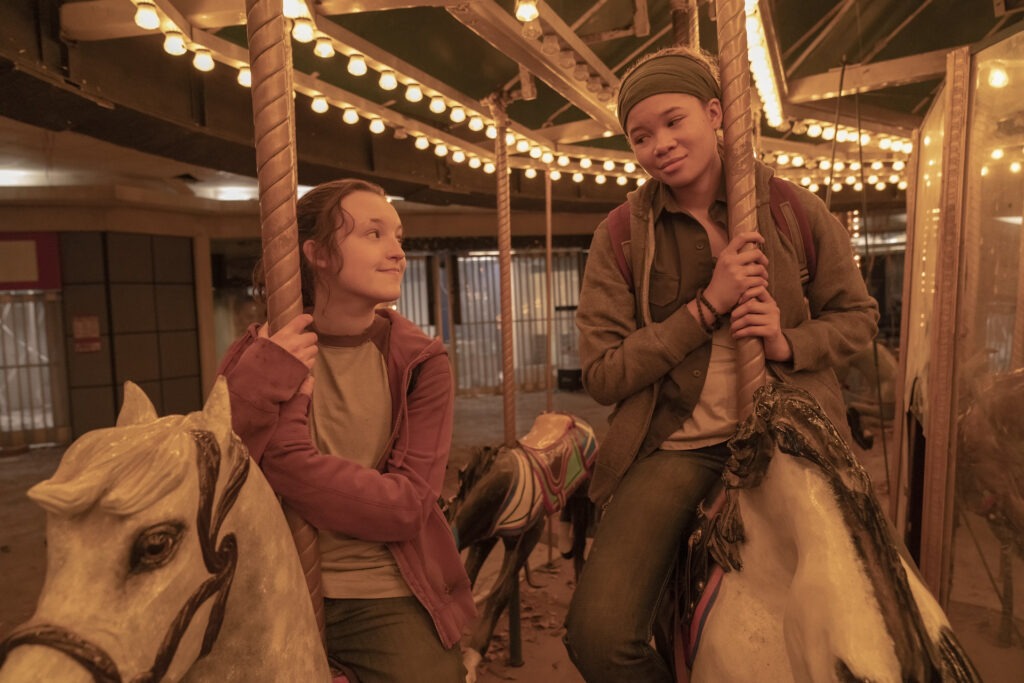
This is a strange time for lesbian representation. On one hand, lesbians are more likely than ever before to be found in mainstream TV shows and films. Gaming’s deadliest lesbian Ellie won a whole new legion of fans when HBO adapted The Last of Us for screen. The post-apocalyptic thriller attracted millions of viewers very single week. What’s arguably the biggest show of 2023 has a lesbian protagonist – and that’s a huge deal.
Sapphic side characters are increasingly common, too. Susie, the Marvelous Mrs. Maisel’s dapper butch agent; Rae, the bisexual and biracial daughter in Tiny Beautiful Things; even Daphne in the Scooby-Doo reboot, voiced by the magnificent Constance Wu. These women steal every scene – they’re designed to shine, not fade into the background. Because diversity isn’t their purpose in the story. They’re complete characters with goals, motivations, conflictions. And, gradually, writers are shifting away from the shallowness of tokenism.
But there are still big problems with lesbian representation. Shows which happen to have lesbian characters are celebrated, attracting studio backing and money. But shows specifically about lesbian relationships and community are cancelled at an alarming rate.
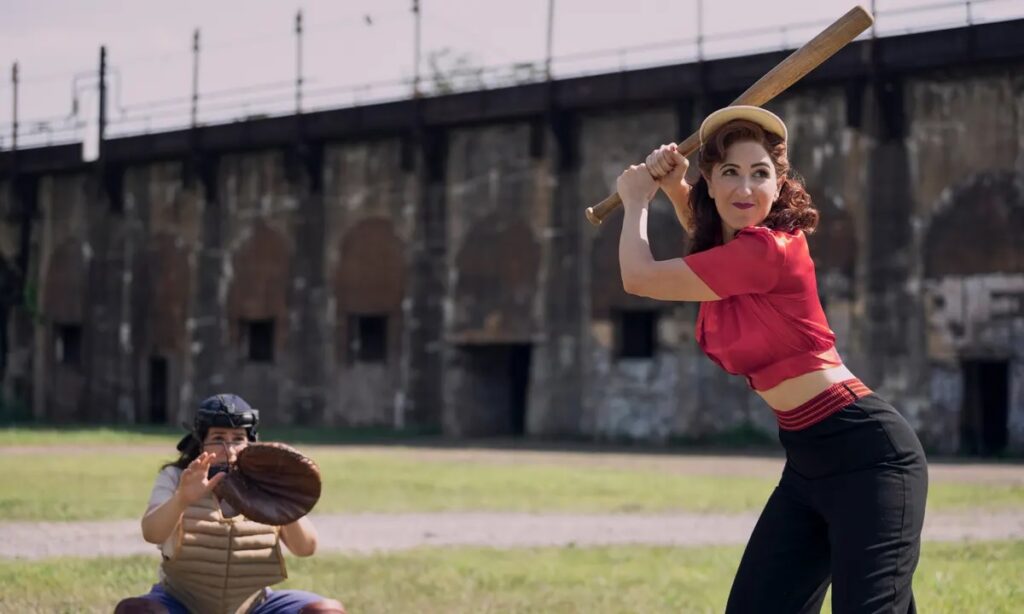
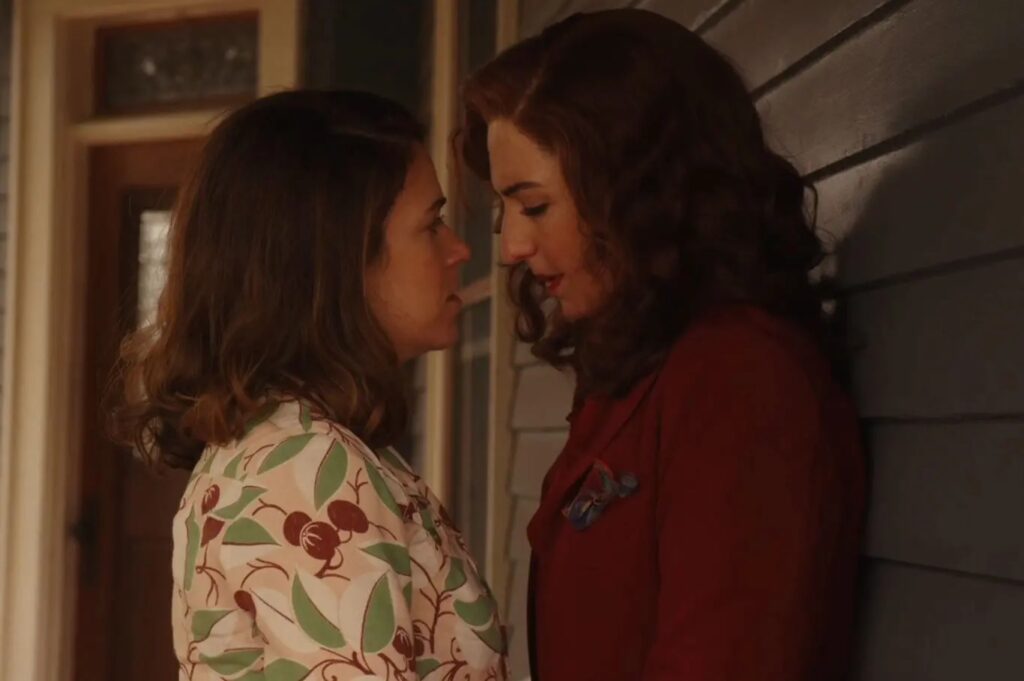
Take A League of Their Own, Prime’s period drama about an all-female baseball team set during WWII. Season one came out last year to glowing reviews. People loved the Rockford Peaches – and repressed housewife Carson’s romance with the glamorous Greta. It was a home run for Prime, instantly becoming one of their most-watched shows.
But critical acclaim, awards, and nominations were not enough to save this show. Prime failed to renew it. Bowing to pressure from fans, they agreed to a final four episodes – but half a season doesn’t lessen the sting of cancellation. A League of Their Own is an excellent story, and one there’s clearly appetite for. It met all the metrics of success. Yet that wasn’t enough to save it.
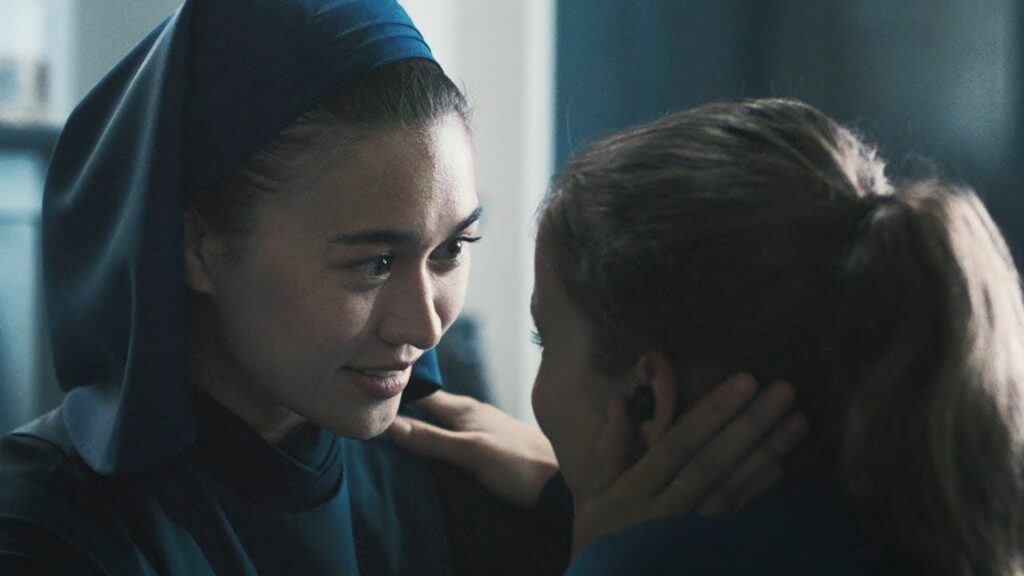
Sadly, A League of Our Own isn’t the only show to be axed. Warrior Nun – Netflix’s fantasy about a young woman tasked with fighting demons by an ancient magical order – got the chop too. Warrior Nun’s second season dominated Netflix’s Global Top 10 TV shows ranking for three full weeks. And yet, a month later, word came that it wouldn’t be renewed. It gained a cult following.
Simon Barry, Warrior Nun’s Showrunner, made the announcement via Twitter: “I’ve just found out that @netflix will not be renewing #WarriorNun. My sincere appreciation to all the fans who worked so hard to bring awareness to this series, and for the love you showed me, the cast and the whole production team. It was a privilege to be a part of this.”
Fans didn’t take this news quietly. They created a petition asking Netflix to renew Warrior Nun for a third season. At the time of writing it has over 120,000 signatures.
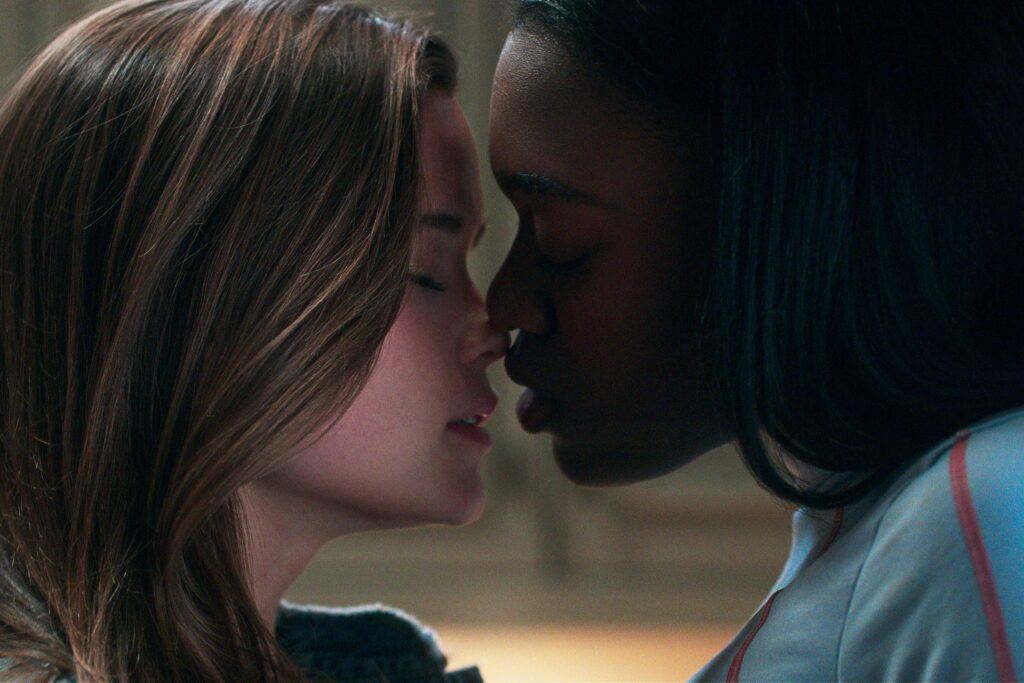
But Netflix executives remain unmoved. They also cancelled First Kill, a sapphic supernatural romance between a vampire and a vampire hunter. The Enemies-to-Lovers romp was one of the most visible depictions of interracial lesbian love ever to hit our screens. In a mere three days, First Kill racked up an astounding 30.34 million hours of views internationally.
Disney+ joined in the trend too, cancelling their high fantasy adventure series Willow. It was a sequel to the 1988 Ron Howard film of the same name, hitting that perfect balance of nostalgia and new content which modern audiences love. Viewers around the world fell hard for the love story between Kit, a Princess on a quest to save her brother, and Jade, a knight-in-training.
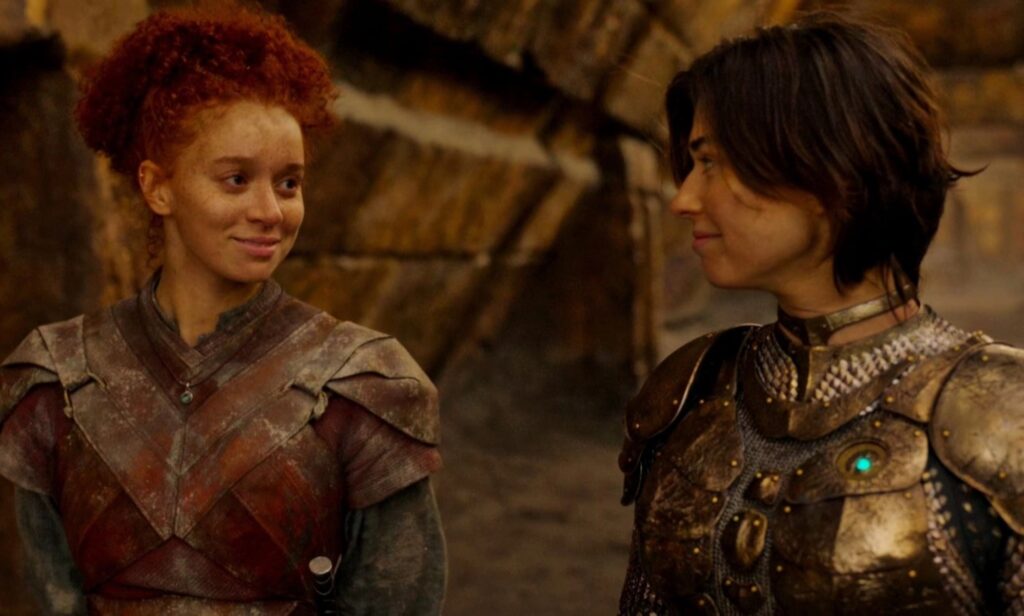
Not only did Disney+ deny fans a second season, they’ve removed it from their streaming service. Which means nobody can watch it anywhere. Willow has effectively ceased to exist in the world. Fans who loved it may never see it again. Why? Because Disney+ are culling content to avoid paying residuals. A company valued at over $100 billion cheaped out, depriving viewers of a beautiful lesbian story.
TV networks have moved on from burying their gays to axing them. It’s one step forward, two steps back. As fans of Warrior Nun and First Kill in particular have pointed out, streaming giants fail to maximise their sapphic shows’ full potential. They sit on blooper reels, cast interviews, bonus content – powerful promotional materials that hype up a fandom. In the era of TikTok edits and the revival of Tumblr fan culture fuelling views, this is a disaster for any show. Particularly shows about lesbian and bi women, which can rely on the community to survive.
In the last few decades we’ve made incredible progress with lesbian representation. Even 20 years ago, any one of these shows centring sapphic characters would have been unthinkable. But we still don’t live in a world where these shows can thrive. Even now, when a sapphic show wins awards and attracts an international audience, its chances of survival are depressingly slim.
It’s a lose-lose strategy for streaming services. Now, a growing number of people refuse to start a show until it has several seasons. Twenty-seven percent of American viewers hold out altogether until it’s finished. They’re afraid to get emotionally invested in something that’ll be taken away too soon. And streaming services use the data from the first days and weeks to determine a show’s commercial viability. Which makes early cancellations a self-fulfilling prophecy.
Streaming services are losing the trust of their subscribers. Ultimately, they will drive away the viewers who make their income. But every streaming giant is worth billions. And in the mean time it’s lesbian viewers who are paying a the price, at a much higher rate than our heterosexual or gay male counterparts.
In some ways, lesbian viewers today are lucky. We look back on the early ‘00s and marvel over how few lesbian stories reached people’s screens. Fans were forced to make feasts out of scraps, fixating on side characters and using to fanfiction to write our own version of mainstream stories. Now, we have lesbian characters – lesbian protagonists – even if they don’t always get to stick around for the completion of their stories.
We can only hope that in 2043, lesbian viewers will have a wealth of shows that make it to a complete resolution. That in the future sapphic shows won’t simply die on the vine, but seen through to the very end.